top of page
Helping Native Pollinators Thrive
August 6 6:00 PM Debra Marnich & Wendy Scribner

You have likely heard about declining numbers in some of our important pollinators. They are so important to our food production and to healthy, functioning habitats. A frequently cited statistic is that “One of every three bites of our food comes to us courtesy of pollinators” who pollinate the flowers that produce many of our fruits, vegetables, and nuts.
Pollinators include not only honeybees, but native bees, butterflies, moths and other insects, as well as birds and bats. As these creatures visit plants foraging for food (pollen and nectar), they move pollen around, providing a vital service, helping plants reproduce.
The good news is that we all have the ability to create and enhance habitat for our pollinators. We can help our pollinators by considering their habitat needs as we landscape our properties. Join us as we discuss how you can help our pollinators by providing food sources and nesting sites, and how to minimize threats that can unintentionally put them at risk.

Debra Marnich is the Stewardship Director with Chocorua Lake Conservancy. She holds a Bachelor's degree in Zoology and a Master's degree in Forestry. In her current position, Debra focuses on land protection, stewardship, management of fee-owned lands, planning and completion of large-scale restoration projects, and educating the community about conserving, connecting, and improving natural habitats and resources.
Heading 2
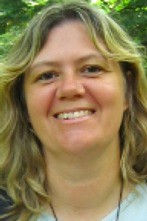
Wendy Scribner is a Natural Resources Field Specialist with UNH Cooperative Extension. She provides research-based forestry and wildlife assistance to people in Carroll County. Wendy is a licensed forester in both NH and Maine and holds a Bachelor’s and Master’s Degree in Forestry from the University of New Hampshire.
Tonight’s program is sponsored by the White Mountain Garden Club
bottom of page